Benign Prostatic Hyperplasia Treatment

Benign Prostatic Hyperplasia (BPH) and Prostate Artery Embolization (PAE)

As men age, many encounter changes in urinary habits that can affect daily life. One common cause is benign prostatic hyperplasia (BPH), a non-cancerous enlargement of the prostate gland. For those dealing with bothersome symptoms, prostate artery embolization (PAE) offers a minimally invasive treatment option worth exploring.

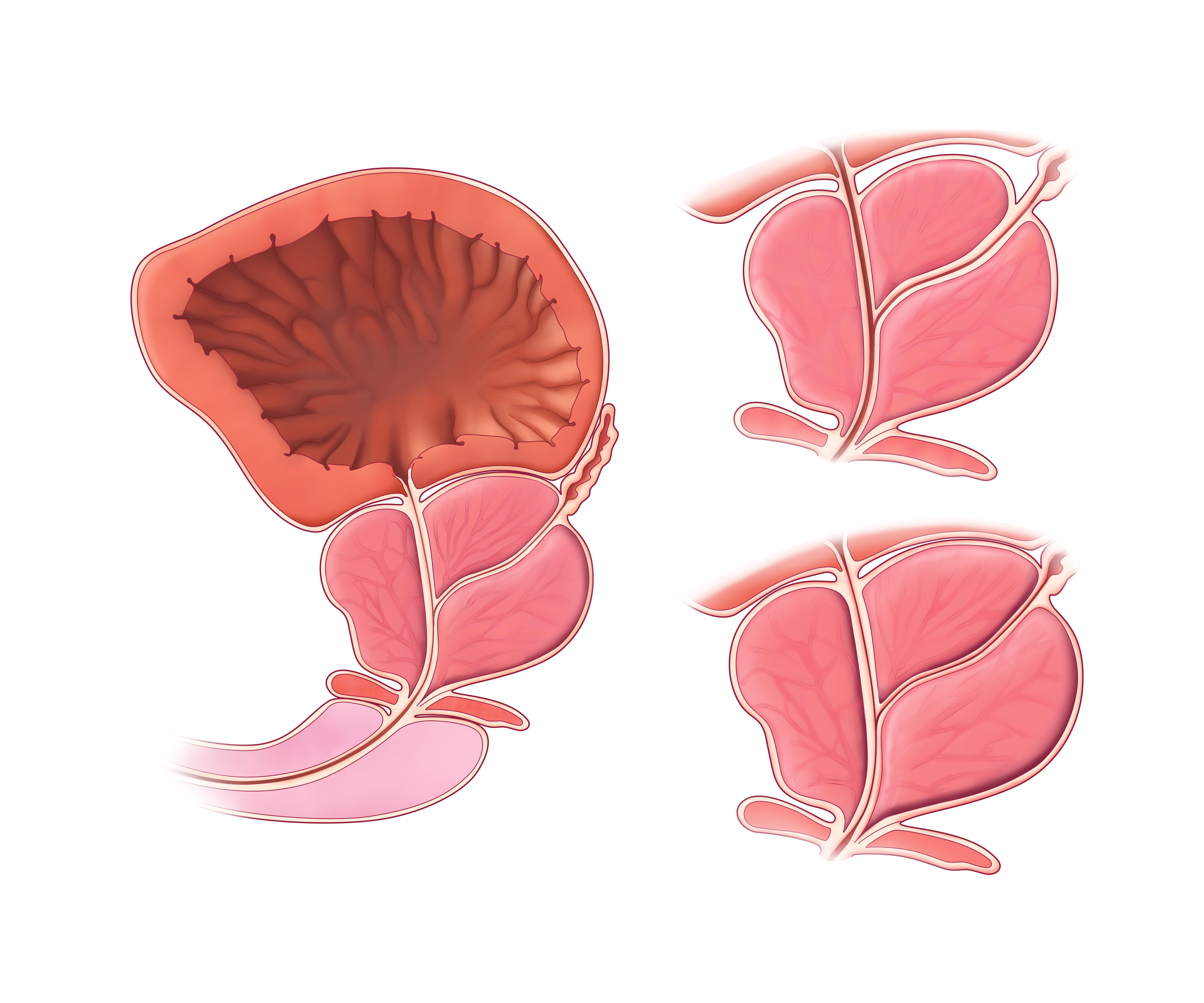
illustration of benign prostatic hyperplasia

What is Benign Prostatic Hyperplasia (BPH)?

BPH is a condition where the prostate gland, located just below the bladder and surrounding the urethra, grows larger with age. This enlargement is common—about half of men over 50 and up to 80% of men over 80 experience it. While not cancerous, an enlarged prostate can press on the urethra, leading to urinary symptoms that range from mild to disruptive. These may include:

  • Frequent urination, especially at night (nocturia)
  • Trouble starting or maintaining a urine stream
  • Weak or interrupted urine flow
  • A feeling of incomplete bladder emptying
  • Urgency or discomfort during urination

In some cases, untreated BPH can lead to complications like urinary tract infections, bladder stones, or kidney issues. If medications or lifestyle changes aren’t providing relief, or if you prefer to avoid traditional surgery, treatments like PAE may be considered.


What is Prostate Artery Embolization (PAE)?

PAE is a minimally invasive procedure performed by vascular interventional radiologists to relieve BPH symptoms. Unlike traditional surgeries such as transurethral resection of the prostate (TURP), PAE doesn’t involve cutting or removing prostate tissue. Instead, it reduces the prostate’s size by limiting its blood supply, which causes the gland to shrink and alleviates pressure on the urethra.

Who is a Candidate for PAE?

PAE is typically recommended for men with moderate to severe BPH symptoms who:

  • Haven’t responded well to medications
  • Want to avoid or aren’t suitable for surgical options
  • Have a prostate size or health profile appropriate for the procedure
  • Experience symptoms impacting quality of life, such as sleep disruption or frequent urination

A consultation with a vascular interventional radiologist, including imaging like a CT, MRI, or ultrasound, helps determine if PAE is appropriate based on prostate size, artery anatomy, and overall health.

How is PAE Performed? 

PAE is conducted in a specialized radiology suite using advanced imaging technology. The step by step process includes:

  1. Preparation: You’ll receive local anesthesia at the access site (usually the groin or wrist) and mild sedation to stay comfortable. General anesthesia is also sometimes used if it better suits the patient.
  2. Access and Imaging: A thin catheter is inserted through a small puncture in the artery. Using real time X-ray guidance (fluoroscopy), the radiologist navigates to the arteries supplying blood to the prostate.
  3. Embolization: Tiny particles, about the size of fine sand, are injected through the catheter to block specific blood vessels. This reduces blood flow to the enlarged prostate tissue, causing it to shrink over time.
  4. Recovery: Most patients go home the same day after a brief observation period. Mild discomfort at the puncture site or temporary urinary urgency may occur but typically resolves quickly. You can often resume normal activities within a few days.

The procedure is designed to be low-risk, with no large incisions and minimal impact on surrounding tissues or sexual function.

What Results Can You Expect from PAE?

PAE aims to reduce prostate size and relieve urinary symptoms. Outcomes vary, but studies show:

  • Symptom Improvement: Over 80-90% of men report significant relief from symptoms like frequent urination or weak flow within weeks. Full benefits often develop over 3-6 months as the prostate volume shrinks by 20-40% on average.
  • Recovery Time: Most return to work or daily routines within 1-3 days, faster than recovery from traditional surgery.
  • Long-Term Effects: Relief can last for years, though some men may need additional treatment if BPH progresses.
  • Side Effects: Minor side effects, like temporary groin soreness or urinary irritation, are common but short-lived. Serious complications are rare, occurring in less than 5% of cases.

While PAE isn’t a cure for BPH, it offers a durable solution for many, with fewer risks than invasive surgeries. Results depend on factors like prostate size and symptom severity, so discussing expectations with your doctor is key.

Is PAE Right for You?

If BPH symptoms are affecting your sleep, work, or quality of life, PAE could be a game-changer. It’s a less invasive option that preserves your body’s natural function while targeting the root of the problem. Have questions about BPH or PAE? Contact our clinic for more information or to schedule a consultation. We’re here to help you understand your options and find a path to relief.

    Request a Consultation

    Call 801.379.6700 or complete the form below to request a consultation.

    back to the top of the page